What tree skiing is
Tree skiing is skiing through the forest instead of down a groomed trail. On the East Coast that almost always means glade skiing: marked tree runs where the mountain has thinned the undergrowth so there is room to turn between the trunks. Trail maps call them glades. Skiers call them the trees, the woods, or just "the glades." It is all the same thing, and it is where the East gets good.
Groomers teach you to turn. The woods teach you to ski. Every turn in the trees has a consequence, so you learn to read terrain, control speed, and commit to a line. That is why I film in the trees and why my lessons happen there.
How to ski the trees
- Look at the gaps, not the trunks. Your skis go where your eyes go. Pick the space between the trees and keep scanning two or three turns ahead.
- Short turns, always. Tree skiing is short-radius skiing. Finish each turn, let the skis come across the fall line, and keep the speed where you could stop in one more turn if you had to.
- Hands forward, stance a little narrower. A narrow, centered stance lets the skis pivot together. Hands up and in front keep you balanced when a branch or a buried stump surprises you.
- Pick lines with exits. Before you drop in, know where the glade spits you out. Good tree skiers are always skiing toward an opening, not away from a trunk.
- Start in the open glades. Every mountain has a wide, well-spaced tree run. Ski that until the turns are automatic, then work into tighter woods.
- Slow is smooth. The best tree skiing in my POV footage looks fast because the turns are clean, not because I am straight-lining. Speed in the trees comes last.
Tree wells and safety
A tree well is the pocket of loose, unconsolidated snow that forms around the trunk of a tree, especially evergreens, on deep snow days. Fall into one head first and you can get stuck upside down with no way to dig out. It is the most serious hazard in tree skiing, and it is avoidable.
- Never ski the trees alone. Ski with a partner and keep each other in sight, not just within earshot. If your partner disappears, stop and find them.
- Give trunks room on deep days. The well is usually right against the tree. Turn in the gaps, not next to the bark.
- If you go in, stay calm. Fighting pushes you deeper. Try to keep your head up, grab the trunk or branches, make a space to breathe, and move slowly toward the surface. Yell and keep yelling.
- If your partner goes in, dig toward their face. Do not pull them out by the skis. Clear the airway first, then work them free.
Also simple: wear a helmet, carry a phone with the mountain's patrol number saved, and stay inside the ski area boundary unless you have real backcountry training.
East Coast woods are different
Tree skiing in Vermont is not tree skiing in Colorado or Japan. The East has less snow, a harder base, and tighter trees, which means roots, rocks, and stumps are part of the deal until the base builds. Early season glades will take a chunk out of your skis. Mid-January through March is when the woods come alive, and the day after a storm the East Coast glades are as good as anywhere on earth. That is the whole reason this site exists.
The other East Coast reality: ice. Birch and maple glades hold snow between the trees, but the entrances and exits get scraped. Short-turn technique that works on hardpack is the skill that separates people who ski the trees from people who survive them.
Best tree skiing in the East
Vermont is the center of East Coast glade skiing. Sugarbush is my home mountain and where most of my footage comes from: long, steep glades off Castlerock and Mt. Ellen that reward real tree skiing technique. Jay Peak gets the most snow in the state and has woods everywhere. Stowe and Smugglers' Notch share a ridge of classic glades. Mad River Glen is old-school tree skiing with no snowmaking in the woods. Killington has the most marked glades on one trail map. On the New Hampshire side, Cannon and Wildcat hold steep, natural tree runs.
Honest answer to "where is the best tree skiing": wherever it snowed last night. Sign up for the powder alerts and I will tell you when the East has a real day coming.
Gear for the trees
Tree skiing gear is about maneuverability. Most glade skiers ride a ski around 95 to 105 mm underfoot, a little shorter than their all-mountain length, with tip rocker so it pivots in tight spots. A helmet is not optional, and a low-light goggle lens matters more in the woods than anywhere else on the mountain.
Everything I actually ski in the trees →
Watch tree skiing runs
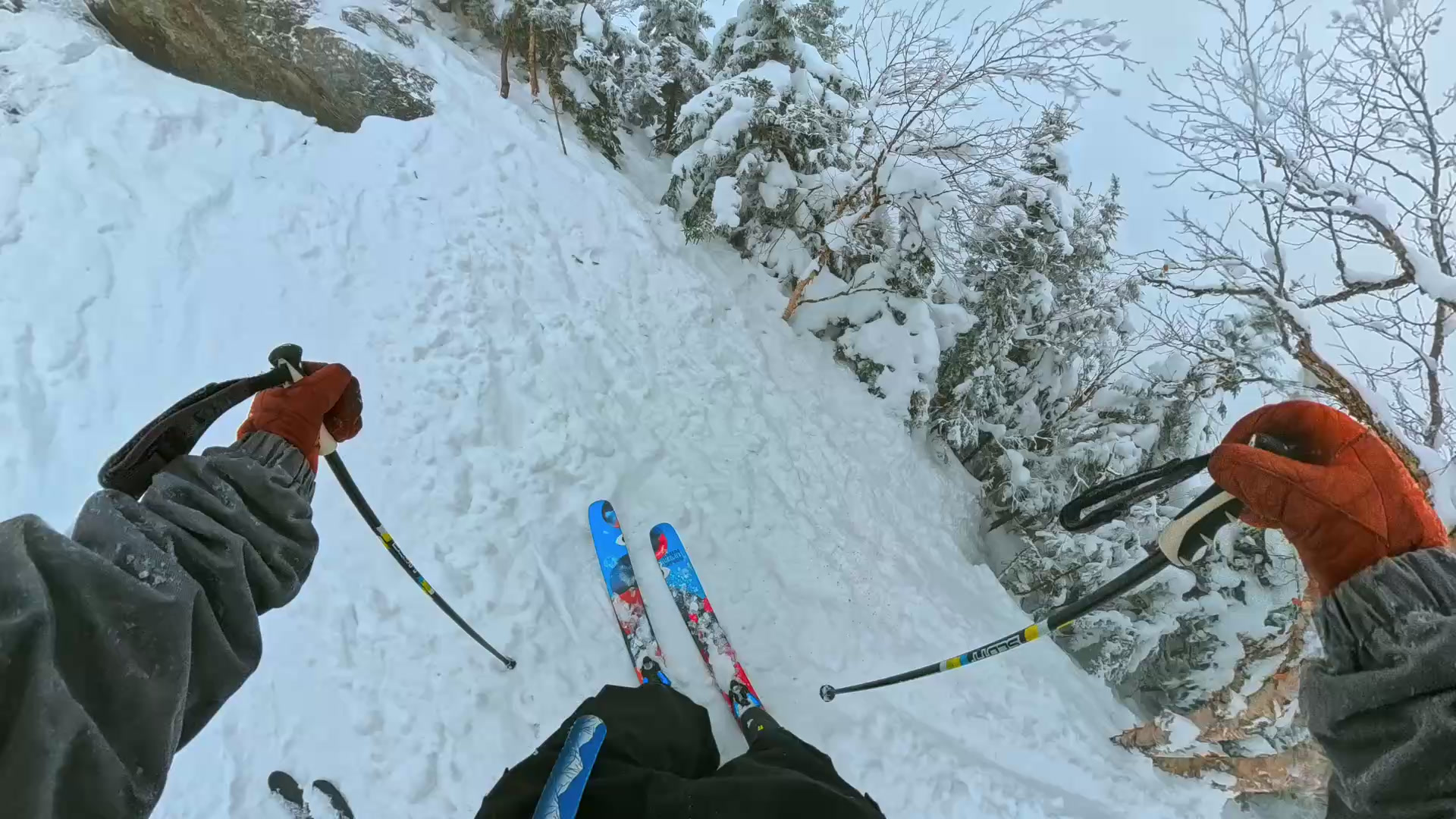
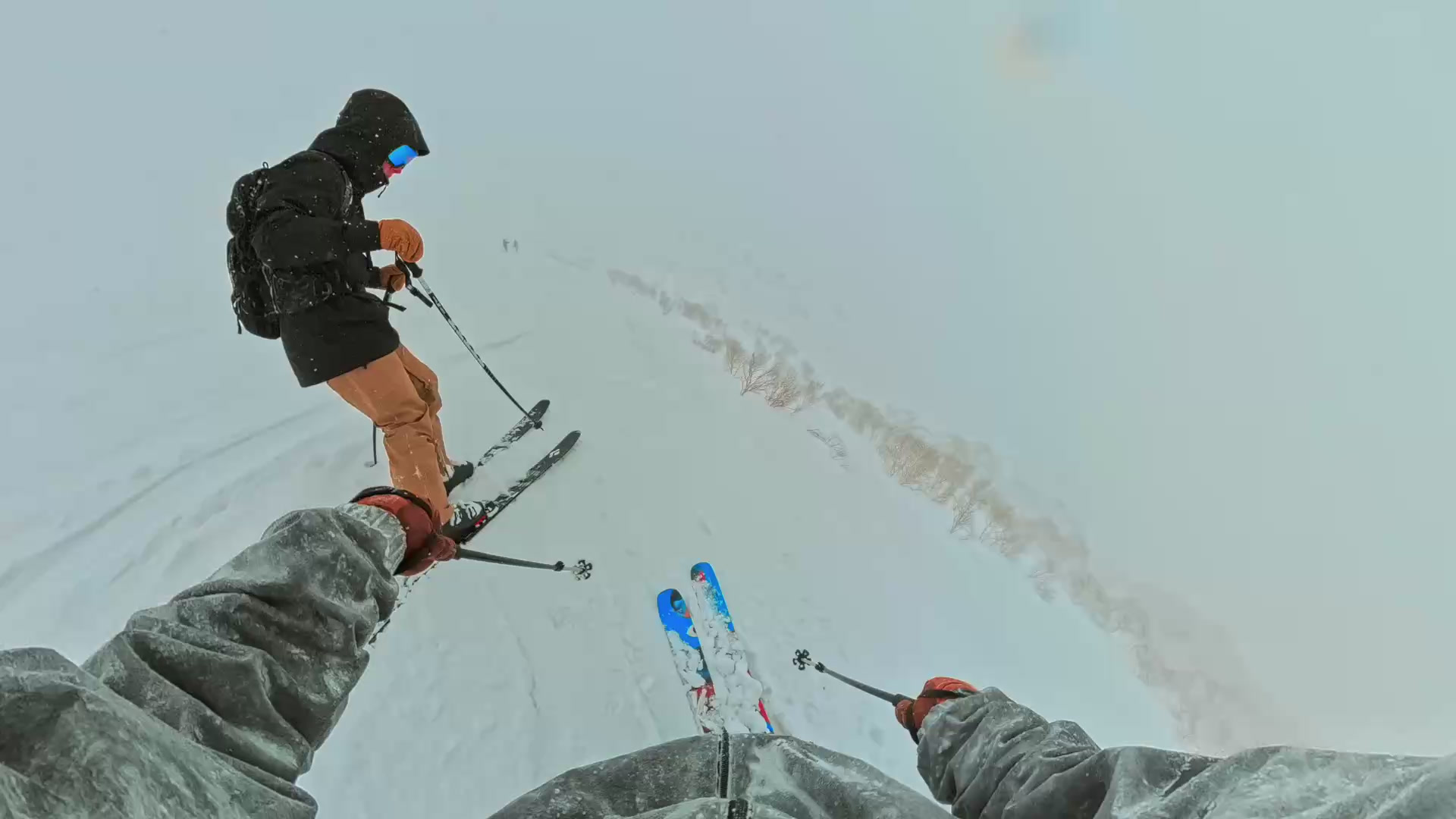
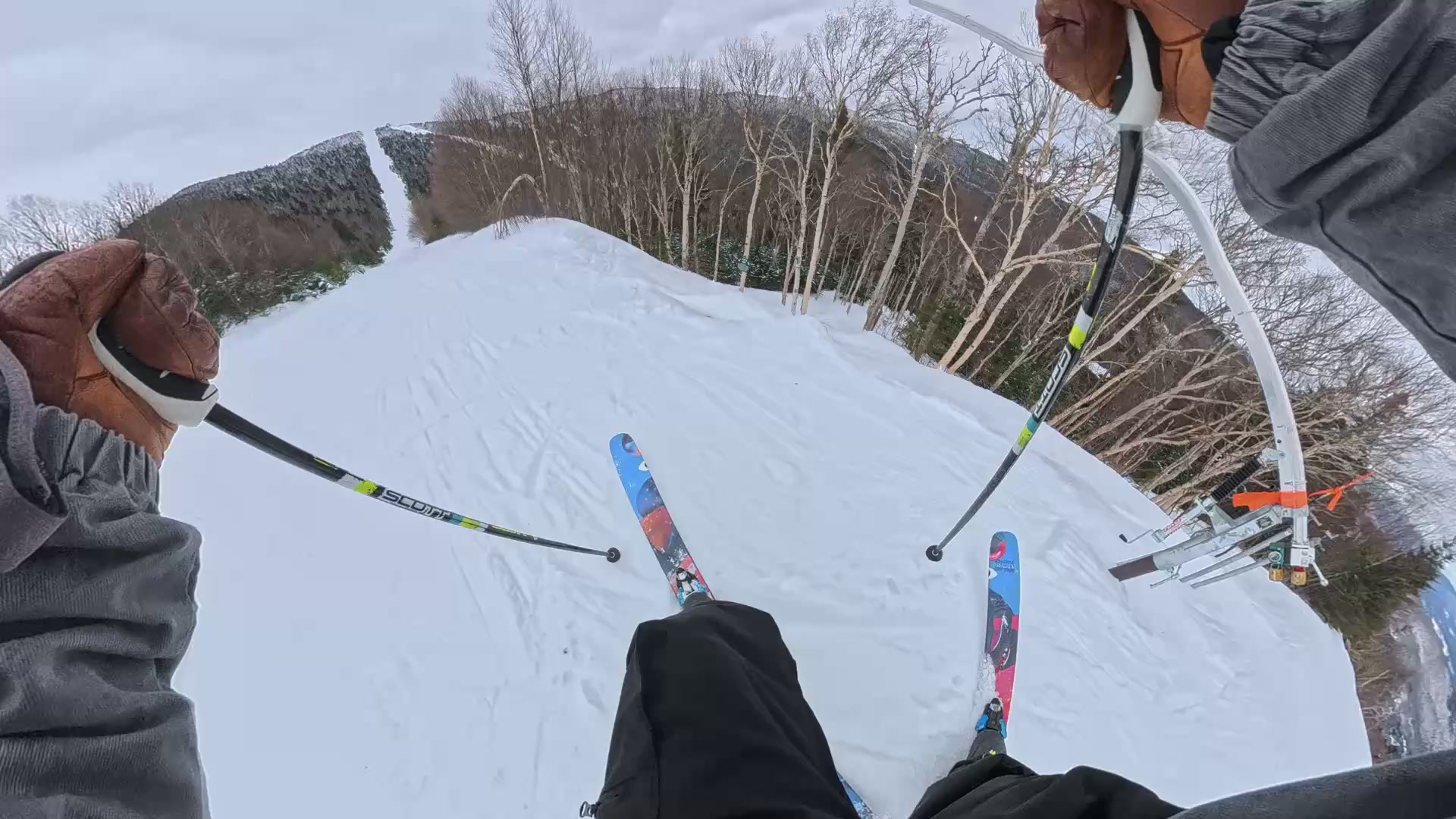
Full POV runs through East Coast glades, top to bottom, no cuts. This is what tree skiing in Vermont actually looks like from the skier's seat.
Questions people ask about tree skiing
What is tree skiing?
Tree skiing is skiing through wooded terrain instead of open, groomed trails. On the East Coast it usually means skiing glades: stretches of forest where the undergrowth has been thinned so there is room to turn between the trunks. People also call it glade skiing, skiing the woods, tree runs, or skiing in the trees. It is all the same thing.
What is the difference between glades and tree skiing?
None, really. A glade is a marked, maintained tree run inside a ski area. Tree skiing is the broader term and includes glades plus any unmarked woods you ski between trails. Resorts mark glades on the trail map, usually as black or double-black runs.
Is tree skiing dangerous?
It carries more risk than groomed runs because the obstacles do not move. The two things that matter most are speed control and never skiing the trees alone. Tree wells, the soft pockets of snow around a trunk, are the biggest hidden hazard on deep days. Ski with a partner, keep each other in sight, and stay out of the woods until there is a real base.
What skis are best for tree skiing?
Something you can turn quickly. Most tree skiers ride a ski around 95 to 105 mm underfoot, a bit shorter than their all-mountain length, with some rocker in the tip so it pivots. I ski a 172 cm Armada ARV 100 for exactly that reason. Stiff, long chargers are the wrong tool between trunks.
Where is the best tree skiing on the East Coast?
Vermont is the center of it. Sugarbush is my home mountain and has some of the best glade skiing in the East. Jay Peak, Stowe, Smugglers Notch, Mad River Glen, and Killington are all known for their trees, and Cannon and Wildcat hold up on the New Hampshire side. The best glade skiing anywhere is the mountain that got snow last night.
When is the best time to ski glades on the East Coast?
Mid-January through March. Early season glades are roots, rocks, and stumps under a thin layer of snow. Once the base builds, and especially after a storm, the woods are the best skiing on the mountain.
Learn it in the trees
Two-hour glade skiing sessions at Sugarbush: line choice, quick turns, and terrain judgment, taught in real East Coast woods.
Request a lesson